Movement is emotional.
My work explores the science of emotion in the practice of movement.
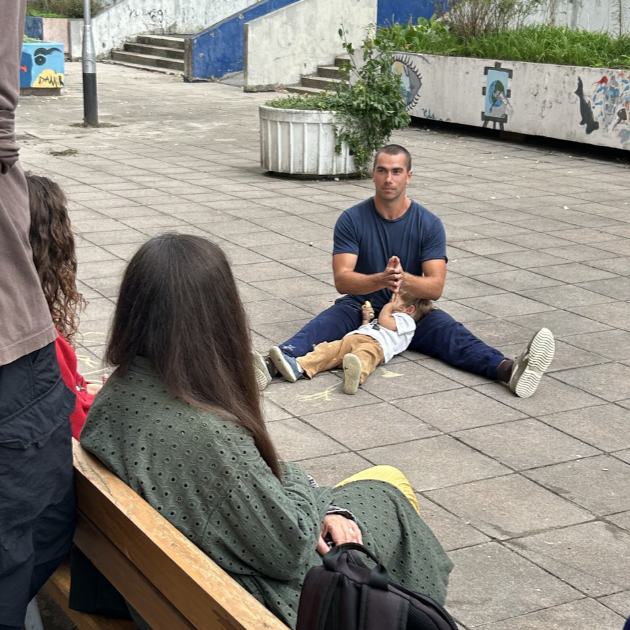
Hi — I’m Flynn
I'm a British educator and researcher living in Istria, Croatia. Decades of parkour taught me that anxiety, confidence and joy — not technique — constrain what we can do. I've spent eight years in research and practice, exploring science, movement and contemplative practice to create a body of work for feeling good and doing good.
What do emotions do?
Emotions enact how well we are solving the puzzle of life. Joy enacts problems being solved; anxiety enacts problems being unsolvable; confidence enacts the trust that unsolved problems can be solved.
How can we work with emotions?
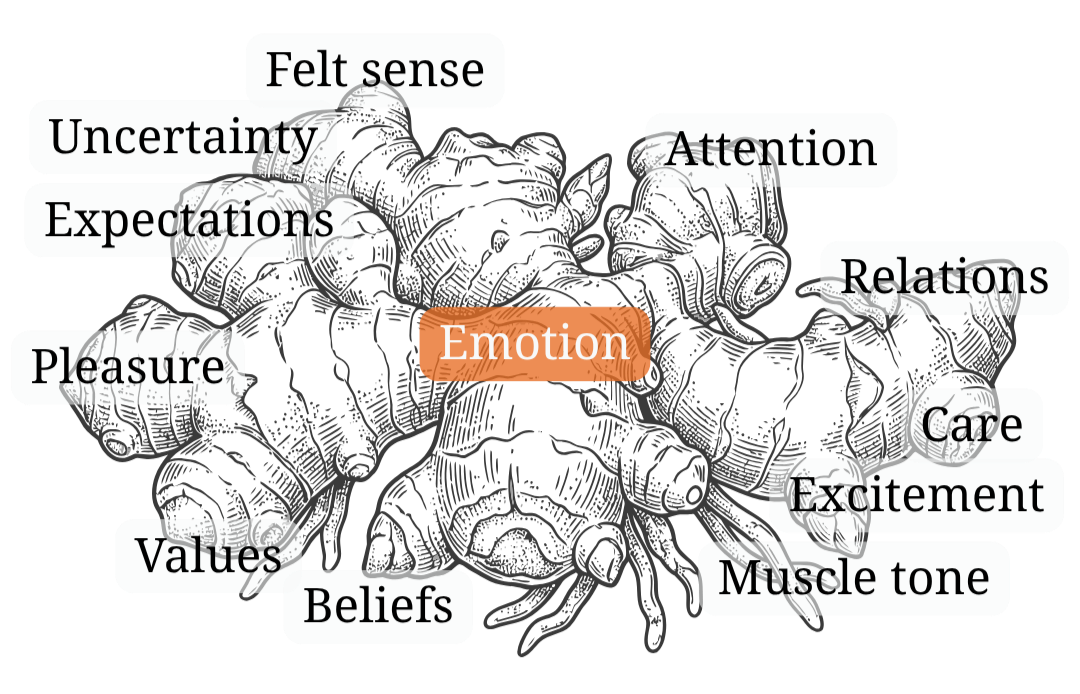
Changes in relations produce enduring shifts. My work explores the relations that influence other facets of experience, such as protective reflexes, relational skills and liberating beliefs.

Teacher Training
Joy Study
An eight-month training in the science and practice of emotion in learning.
Four modules — Mind, Movement, Communication and Design — teach you to design, deliver and assess emotion-centred teaching in your own field.
Live it first: 14 day challenges to experience the emotions and teaching labs with feedback on how you teach.
Starts October 5th · 16 live sessions · 20 places · €1,464
Confidence Practices
Confidence is the felt sense of certainty. Through progressive exposure to the conditions that make us uncertain, the Confidence Practices build this sense from the inside.
Collisions — Build the muscle, bone and coordination to absorb force.
Dynamics — Develop rate of motion: flexibility at speed.
Mind and Body — Explore the states that support and disrupt confident movement.
Falling — Learn to fall smoothly, reflexively and without fear.
€450 for three months. First cohort opening early 2027.